Choosing T-Shirt Blanks for Team Uniforms
Most teams order t-shirts without understanding the blank they are buying, then spend months disappointed by shrinkage, fading, and comfort issues. Choosing the right blank is where bulk t-shirt success starts: it determines how your printed design will look, how durable the shirt is, and whether team members will actually wear it.
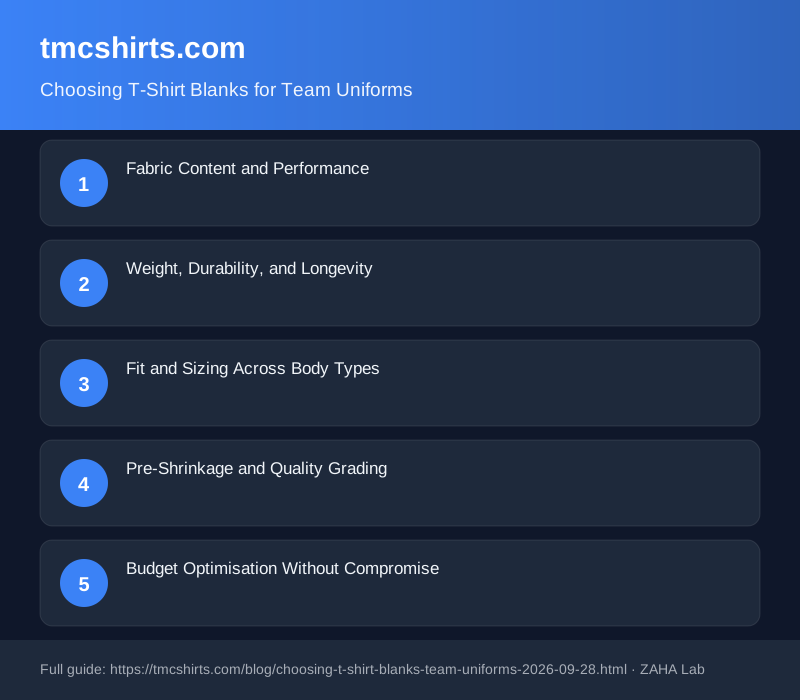
The difference between a poor-quality blank and a premium one can cost as little as 50p per shirt. Over a team order of 50 or 100 shirts, this small per-unit saving can destroy your investment when the fabric falls apart, or when half your team refuses to wear something that does not fit properly. This guide walks through the five decisions that matter when selecting blanks: fabric content, weight, fit, pre-shrinkage, and quality grading.
Fabric Content and Performance
Cotton and polyester blends account for most team t-shirt orders. 100% cotton feels better against skin and ages well visually, but it shrinks more and takes longer to dry. A 50/50 cotton-polyester blend or 65/35 cotton-polyester holds its shape better and offers faster drying, useful for active teams or outdoor events.
For sports teams or fitness events, consider performance blends with moisture-wicking properties. These cost 20-40% more per shirt but justify the cost if your team will be wearing the shirts while moving or in warm conditions. Look for polyester content of at least 30% if moisture management is a priority.
Avoid 100% polyester for comfort-focused orders unless the shirts will be technical workout gear. Polyester alone does not breathe as well and feels plasticky to many people. Most teams will be satisfied with a high-quality 100% cotton blank, particularly if pre-shrunk to industry standards.
Weight, Durability, and Longevity
Blank t-shirt weight is measured in grams per square metre (GSM), typically ranging from 130 GSM (thin, short-lived) to 200 GSM (heavy-duty, premium). Most team t-shirts fall between 150 and 180 GSM.
- 130-150 GSM: Budget-friendly but thin. Suitable for single-event shirts that will not be washed many times. Prone to pilling and fading after 10-15 washes.
- 160-180 GSM: Sweet spot for most teams. Durable enough for weekly wearing and regular washing. Holds colour better and maintains shape across 30+ washes.
- 190+ GSM: Premium, heavy-duty blanks. Best for uniforms or investment pieces teams will wear for years. More comfortable but also more expensive.
A heavier blank does not guarantee quality, but it correlates closely with durability. Test a sample before committing to a large order if budget allows.
Fit and Sizing Across Body Types
Generic t-shirt sizing often fails teams because brands cut differently. Some run tight, others loose. Request samples in multiple sizes before ordering 100 shirts and discovering the medium is too snug for half your team.
Pay attention to shoulder width, sleeve length, and body length. Tall team members often reject shirts with sleeves that sit too high or bodies that ride up. Conversely, oversized blanks can look sloppy when printed. The goal is a consistent, flattering fit across your group.
Consider offering multiple size runs rather than limiting to single-size units. Yes, this complicates ordering, but it guarantees every team member will actually wear the shirt. Many custom printers can split orders by size with minimal setup fees.
Pre-Shrinkage and Quality Grading
Pre-shrunk blanks have been washed at the factory to lock in their final dimensions. This is not optional for team orders. Unshrunken cotton can shrink 5-7% in the first wash, rendering your perfectly sized order unusable.
Inspect the blank sample for:
- Consistent stitching with no loose threads or uneven seams.
- Smooth, even fabric with no thin patches or irregular weave.
- Straight collar and armholes without puckering.
- Neck tags securely attached and text clearly printed.
Second-quality blanks cost less but often have cosmetic flaws (slight stains, uneven dye) that become visible under printed graphics. For team uniforms, first-quality blanks are worth the premium.
Budget Optimisation Without Compromise
If your budget is tight, here are three ways to save without destroying quality. First, choose a mid-range GSM (160-170) instead of the heaviest option. You lose minimal durability but save significantly. Second, order simple colours like white, black, or navy instead of specialty shades, which often carry colour-matching premiums. Third, buy direct from wholesalers rather than through high-street retailers. Many wholesalers sell bulk blank t-shirts at a fraction of retail prices when ordering 50+ units.
Avoid the temptation to bulk-order from unknown suppliers based on rock-bottom pricing. Counterfeit or severely substandard blanks will disappoint your team and damage your brand if they are worn in public or at events.
Ordering Process and Timeline
Most suppliers require 1-2 weeks lead time for blank inventory, plus 1-2 weeks for printing and finishing. Plan your order at least 4-5 weeks before your event or deadline. Request a physical sample pack before finalising your bulk order so you can test fit, colour accuracy, and shrinkage yourself.
When ordering, specify that all blanks must come from the same factory run or dye lot to ensure consistency. Shirts from different batches can vary in colour tone and fit despite the same size label.
FAQ
What is the difference between ringspun and regular cotton?
Ringspun cotton has a smoother, softer hand-feel and resists pilling better than regular carded cotton. It costs 15-25% more but significantly improves comfort and longevity. For team uniforms worn frequently, ringspun is worth the investment.
How much will my t-shirts shrink if they are not pre-shrunk?
100% cotton can shrink 5-7% in the first hot wash. That translates to a medium fitting up to an inch smaller in length and width. Always specify pre-shrunk blanks to avoid this problem entirely.
Can I order different sizes in a single print run?
Yes. Most printers charge a per-size setup fee (typically £5-15 per size), but once set up, they can print the same design across multiple sizes without additional charges per shirt. This flexibility is one advantage of working with professional custom printers.
Is there a minimum order quantity for blank t-shirts?
Blank wholesalers typically require minimums of 25-50 per size or colour. Printing minimums vary but usually range from 12-24 per design. Check with your supplier before placing an order.
How do I care for printed team t-shirts to extend their life?
Wash in cold water inside out to protect the print, use mild detergent, and air dry when possible. Avoid bleach and fabric softener. Iron on low heat or avoid ironing altogether. Properly cared-for quality blanks will last 50+ washes without significant fading or degradation.