How to Wash Printed Team T-Shirts
Most custom-printed shirts that fade early weren't poorly made. They were washed at the wrong temperature.
Washing custom printed team t-shirts correctly comes down to three things: 30°C or below, turned inside out, on a gentle cycle. Those steps alone keep screen-printed and DTG designs vivid for 50 washes or more.
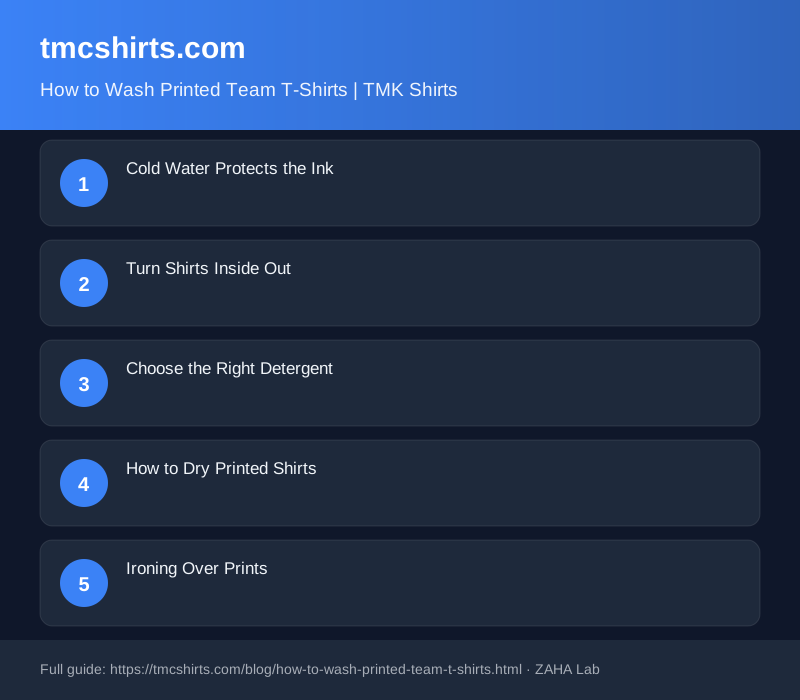
Cold Water Protects the Ink
Heat breaks down ink bonds faster than almost anything else. At 40°C, DTG-printed designs lose noticeably more colour per wash than at 30°C. Screen-printed inks tolerate slightly higher temperatures, but cold water still adds years to any print. Set your machine to 30°C and leave it there for every team shirt wash.
Turn Shirts Inside Out
This takes three seconds and prevents direct friction between the print and other garments, drum paddles, or zips in the same load. For the first 10 to 15 washes especially, placing each shirt inside a Bagail mesh laundry bag removes almost all abrasion. Once inks have fully cured after a few washes, they become more forgiving, but inside-out is still a good habit to keep.
Choose the Right Detergent
Use a colour-safe, non-bio liquid. Persil Colour Washing Liquid is a reliable choice for printed and dyed fabrics. Bio detergents contain enzymes that attack the dye binders in DTG ink specifically. Skip fabric softener on shirts with large chest or back prints: the coating it deposits dulls the print finish over time.
How to Dry Printed Shirts
Air drying is the gold standard. Hang shirts by the hem on a Vileda clothes airer rather than by the shoulders to avoid fabric stretch. Tumble drying is possible, but use the lowest heat setting and pull shirts out while they are still slightly damp. High heat is the fastest route to cracked screen-print ink and lifted heat-transfer edges.
Ironing Over Prints
Never iron directly over a printed area. Turn the shirt inside out and use a low-to-medium setting on the reverse side. A pressing cloth between iron and design adds extra protection for heat-transfer vinyl and embossed plastisol inks. Keep the iron moving rather than pressing in one spot.
How Print Method Affects Care
Screen-printed designs are the most wash-resistant when properly cured. DTG prints need the most care: no fabric softener, air dry where possible. Heat transfer vinyl is the most heat-sensitive in both washing and drying. Cold wash and air dry are non-negotiable for transfer prints if you want them to hold through a full sports season.
FAQ
Can I tumble dry custom printed team shirts?
Yes, but use the lowest heat setting and remove shirts while they are still slightly damp. High heat cracks screen-print ink and lifts heat-transfer edges. Air drying is always the safer option when time allows.
Does fabric softener damage DTG prints?
It can. Fabric softener leaves a coating on fabric fibres that bonds poorly with DTG ink, dulling the finish gradually with each wash. Skip softener entirely on shirts with large printed areas, regardless of print method.
How do I remove a stain without damaging the print?
Apply a small amount of non-bio liquid detergent directly to the stain and work it in gently with a soft cloth. Avoid rubbing directly over the printed area. Rinse cold and machine wash as normal at 30°C.
Can I iron directly over a printed logo?
No. Always turn the shirt inside out and iron the reverse, or lay a pressing cloth between the iron and the design. Direct heat melts heat-transfer vinyl and can scorch plastisol screen-print inks.
How many washes should a quality print survive?
A well-cured screen print washed at 30°C and air-dried should hold for 50 to 100 washes. DTG designs typically last 30 to 50 washes under careful handling. Heat-transfer prints vary more, but cold washing and air drying extend their life significantly beyond what a hot machine cycle would allow.
Affiliate disclosure: Some links in this article are Amazon affiliate links. TMK Shirts may earn a small commission if you buy through them, at no extra cost to you.