Custom Team T-Shirts: Design Tips for Maximum Impact
An estimated 40% of custom-printed team t-shirts end up in the back of a drawer, unworn.
The good news: custom team t-shirts don't have to end up forgotten. By following professional design principles—choosing the right fabric, nailing your colour palette, getting the fit right, and adding thoughtful personalisation—you can create shirts your team will genuinely want to wear. This guide walks you through every decision that matters.
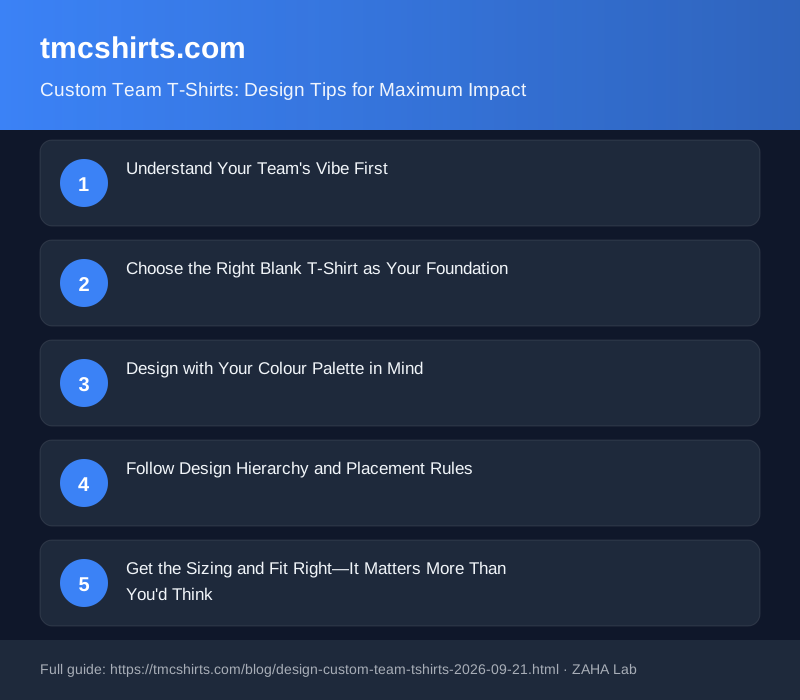
Understand Your Team's Vibe First
Before you sketch a single design, ask yourself: who's wearing this? Are you outfitting a software startup, a charity marathon team, a corporate off-site, or a wedding party? The context shapes everything—colours, style, level of formality, and even the design's humour.
A tech company's merch needs to feel modern and optional (people choose to wear it because it's cool). A sports team's kit needs to telegraph unity and energy. A formal corporate event demands something they won't feel embarrassed wearing to client meetings later. Misread the room, and you'll end up with those drawers full of unworn shirts.
Choose the Right Blank T-Shirt as Your Foundation
The best design in the world looks cheap on poor-quality fabric. Invest in a decent blank before printing. Look for weight (measured in gsm—grammes per square metre; 180–200gsm is standard, 220gsm+ feels premium), fabric blend (100% cotton feels classic; cotton-poly blends offer durability and less shrinkage), and fit consistency across sizes.
Quality blanks come from brands like Gildan, Anvil, American Apparel, and Next Level. If you're printing in volume, your blank shirt supplier or printer can often source these at bulk rates. Don't cheap out here—a 20p difference in the blank becomes a 100p difference in how the final product feels and looks.
Design with Your Colour Palette in Mind
Colour is where most amateur team shirt designs fall apart. Too many colours look chaotic; monochrome can feel dated. A smart palette has one dominant colour, one accent, and white space.
Ask yourself: does this colour represent our organisation's brand? Will it flatter a range of skin tones? Will it still look good after 50 washes? Darker colours (navy, black, forest green) are safest for longevity and flatter most people. Pastels trend quickly but date faster. Neon works for youth-focused or fitness brands but can feel gimmicky elsewhere.
Once you've locked your palette, test it. Print a sample, wash it, wear it for a week. Colours shift under different lighting, and inks can fade differently depending on fabric. This small investment saves regret at scale.
Follow Design Hierarchy and Placement Rules
Your logo or main design should occupy the chest area—roughly 20–25cm wide for an adult large. Too small and it disappears; too large and it overwhelms the garment. Back prints work well for event-specific graphics (think marathon bibs or conference logos).
Keep text minimal. One tagline or motto, not a manifesto. Sans-serif fonts (Helvetica, Arial, Montserrat) scale better and read clearer on fabric than serif fonts. Make sure your design contrasts sharply with your shirt colour—if you're printing dark designs, use light shirts, and vice versa.
Avoid tiny details. Screens and transfers struggle with thin lines, small text, and intricate illustrations. Simple, bold designs survive both printing and washing far better.
Get the Sizing and Fit Right—It Matters More Than You'd Think
A beautiful design on a shirt that doesn't fit is a shirt that won't get worn. Different manufacturers size differently—a size M from one brand might fit like a size L elsewhere. When ordering custom shirts, request a sample pack across sizes, try them on, and measure them. Document which brand and style worked best for your team.
Consider unisex cuts versus tailored fits. Unisex (boxy) cuts are forgiving and work for mixed teams. Tailored cuts flatter more, but you'll need both men's and women's sizes to avoid the "one size, awkward fit" trap. Quality blank t-shirts often come in both, and good printers will tell you which style keeps sizes truest.
Personalisation Creates Lasting Memories
Here's the secret that separates shirts people treasure from ones they donate: personalisation. Add names, numbers, or small individual touches. A team marathon shirt with names on the back? That's a medal people will wear for years. Blank corporate tees with everyone's name embroidered or printed? Suddenly it's a keepsake.
Personalisation doesn't require bespoke artwork. Simple additions—names, dates, initials—can be added by your printer at modest cost and transform a generic shirt into something people feel ownership over.
Print Method Changes Everything
Screen printing is ideal for large orders (50+) with simple, bold designs. Direct-to-garment (DTG) printing lets you do complex, photo-quality designs and print small quantities without setup fees. Embroidery adds a premium feel but costs more and limits design complexity. Heat-transfer vinyl offers flexibility for small batches.
Chat with your printer about what works best for your design, budget, and quantity. They'll steer you right.
Test Before You Commit
Always order a sample of your final design on your chosen blank before committing to 50+ units. Colours look different on screen versus printed fabric. Inks have texture and depth you can't predict digitally. Spend £20 on a sample now or regret it later.
FAQ
How many t-shirts should we order?
Order 10–15% more than your headcount. People lose them, sizes don't fit everyone perfectly, and extras work great as future replacements or give-aways. For events, assume 10–20% won't attend and adjust down.
What's the best fabric for outdoor events?
Moisture-wicking blends (polyester-cotton mixes) work better than 100% cotton for sports or outdoor summer events because they dry faster and don't feel soggy. For comfort in air-conditioned indoor events, pure cotton is fine.
Can we wash custom printed shirts in a machine?
Yes, but turn them inside out, use cold water, and avoid bleach. Proper screen-printed and DTG designs last 50+ washes; cheaper transfer prints may fade faster. Your printer should provide washing instructions specific to your method.
How much lead time do we need?
Standard printing typically takes 7–14 days once artwork is approved. Personalised orders (names, embroidery) add 3–5 days. Always add a week buffer for revision, sample approval, and unforeseen delays.
What's a realistic budget per shirt?
Blank t-shirts cost £2–6 depending on quality. Printing adds £1–5 per shirt depending on method and design complexity. Personalisation adds another £0.50–2 per shirt. Budget £6–12 per shirt all-in for decent quality. Bulk orders bring per-unit costs down.
Related Products
Premium Blank T-Shirts
180gsm 100% combed cotton blanks in classic cuts. Available in 15+ colours and all standard sizes.
Browse on Amazon UKHeat-Transfer Vinyl Rolls
Perfect for small-batch or personalised designs. Easy application, vibrant colours, durable finish.
Shop Heat-Transfer VinylProfessional Design Software
Canva or Adobe Express let you create print-ready designs without hiring a designer. Templates included.
Start Designing Free