Bulk Custom T-Shirts for Teams: The 2026 Ordering Guide
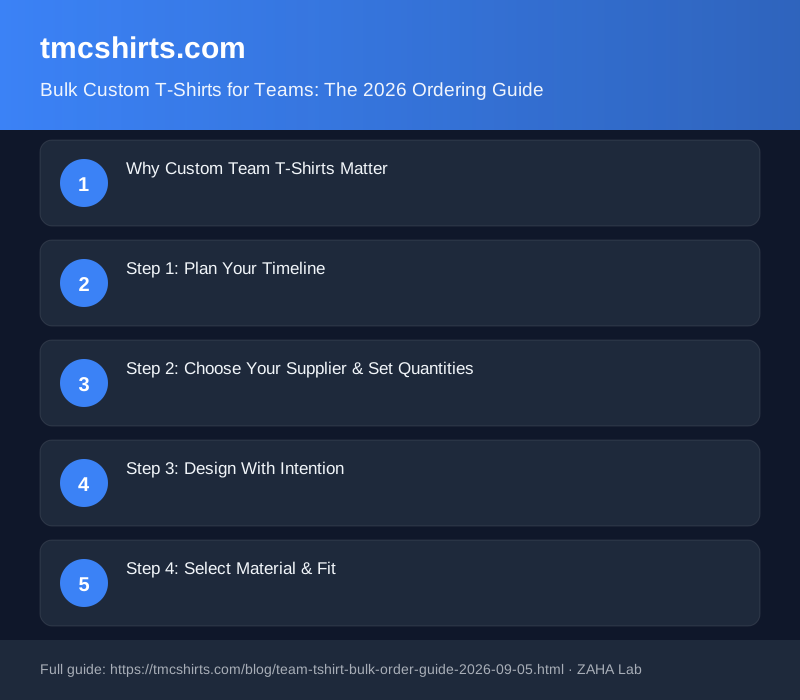
Ordering custom t-shirts for your team or event can feel overwhelming—sizing confusion, design delays, minimum order quantities, and budget overruns derail even the best plans.
We've helped hundreds of teams, sports clubs, corporate groups, and event organisers navigate the custom t-shirt journey. This guide distils what actually works—and what trips people up—so your team's branded shirts arrive on time and on budget.
Why Custom Team T-Shirts Matter
Branded team t-shirts do more than unify a group visually. They boost morale, create shareable moments (especially on social media), and give attendees a tangible keepsake from your event. Whether you're outfitting a 20-person startup team or 500 guests at a conference, custom shirts signal professionalism and care.
The catch? Getting them right takes planning. Poor colour choices fade in the wash. Undersized designs look cheap. Ordering too many months early means stock gathering dust; ordering too late means premium rush fees or broken promises to your team.
Step 1: Plan Your Timeline
Start your custom t-shirt project 8–10 weeks before your event if you want stress-free delivery and reasonable costs. Here's the realistic breakdown:
- Weeks 8–6: Finalise your design, approve artwork, and lock down your supplier.
- Week 5: Confirm sizing, order blank t-shirts, and upload your final design files.
- Weeks 4–2: Production and printing (typical turnaround: 2–3 weeks for bulk orders).
- Week 1: Quality check and delivery buffer before your event.
If you're short on time, express and rush services exist—but expect to pay 30–50% more. Many suppliers offer bulk white or coloured t-shirt blanks for immediate shipping if you can handle the design phase quickly.
Step 2: Choose Your Supplier & Set Quantities
Bulk custom t-shirt suppliers fall into three buckets: local printers, national chains, and online marketplaces. Local printers offer personal service and faster turnarounds; national chains (like major UK print-on-demand firms) offer competitive pricing and a wider design tool suite; online marketplaces prioritise speed and cost.
Check the supplier's minimum order quantity (MOQ). Most demand 20–50 shirts per order. If your group is smaller, partner with another team or club to split a batch—this often qualifies you for better per-unit pricing (sometimes 15–25% off).
Request quotes from at least two suppliers. Include your exact quantity, preferred material, and printing method (screen print, digital, embroidery). Prices vary wildly based on these factors.
Step 3: Design With Intention
A sharp design makes the difference between a keepsake and a drawer-filler. Keep these principles in mind:
- Keep it simple. Intricate details disappear on screen-printed or digitally printed shirts. Stick to 2–3 colours for screen printing; digital printing tolerates more complexity but costs more.
- Avoid heavy prints on the back. Large back prints crack and fade faster than front prints. If you need both, use smaller back designs or pocket-sized logos.
- Use vector files, not jpegs. Vector graphics (Adobe Illustrator .ai or .eps files) scale perfectly; raster images pixelate and look poor when enlarged.
- Assume one-colour printing is cheaper. Multi-colour screen printing adds a setup cost per colour (often £10–£25). Digital printing doesn't charge per colour but costs more per unit overall.
- Test your design on your supplier's mockup tool. Most suppliers let you upload your design and see a preview. This catches alignment issues, colour surprises, and sizing problems before production.
If you need design help, agencies or freelancers on platforms like Fiverr or 99designs UK charge £50–£300 for a custom team logo or event design. Worth it if your team's image matters.
Step 4: Select Material & Fit
Not all t-shirt blanks are equal. Budget options (thin, 100% cotton) pill and fade; premium options (thicker weave, cotton-poly blends) last longer and feel better.
- 100% cotton: Breathable, classic feel, but shrinks and fades faster. Best for single-use events.
- Cotton-polyester blend (80/20 or 70/30): Durability + comfort. Industry standard. Minimal shrinkage. Best for team apparel you want to last.
- Heavyweight cotton: Premium feel, thick fabric, minimal fade. Costs more but feels like quality merchandise.
Fit matters too. Unisex cuts run wide and boxy. If your team has mixed genders, offer both standard and fitted sizes. Request size charts from your supplier—vanity sizing means a supplier's "Large" may not match another's. Ask for a sample size before you commit to 200 units.
Always collect size preferences from your team at least 3 weeks before production. Use a simple form (Google Forms works) asking for name and preferred size. Order 5–10% extra in popular sizes (usually S, M, L) for growth or future team members.
Step 5: Budget & Negotiate Discounts
Typical UK pricing for bulk custom t-shirts ranges from £5–£15 per unit (including printing), depending on:
- Material quality and weight (cheaper blanks save £1–£3)
- Printing method (embroidery costs 30–50% more than screen printing)
- Design complexity and colour count
- Quantity discounts (orders of 100+ often drop price-per-shirt by 10–20%)
Negotiate volume discounts explicitly. Many suppliers won't automatically apply them—ask for a tiered quote at 50, 100, and 200 units. If you're ordering fewer shirts, bundling with another group saves money for everyone.
Factor in design costs (£50–£300 if outsourcing) and shipping (typically £5–£20 for UK delivery on bulk orders). Your real budget: (quantity × unit price) + design + shipping.
Common Mistakes to Avoid
Ordering without size input. Assume sizes. You'll end up with 30 oversized Medium shirts and angry team members. Collect sizes first.
Skipping the sample. A single sample shirt costs £10–£20 but prevents reprinting 200 shirts in the wrong colour. Always request one.
Leaving final approval to the last minute. Suppliers need 2–3 business days to prepare files and set up machines. Delays trigger rush fees or missed deadlines.
Choosing the cheapest supplier blindly. Bulk t-shirt printing is competitive, but rock-bottom prices often correlate with poor print quality, thin fabric, or hidden fees. Read reviews and ask for references.
Underestimating shrinkage. Even quality shirts shrink slightly in the wash. If you need exact fits, order one size up across the board, or ensure your shirts are pre-shrunk (ask your supplier).
FAQ
How long does custom t-shirt printing typically take?
Standard production takes 2–3 weeks for bulk orders. Express services (5–7 working days) cost 30–50% more. Rush orders (24–48 hours) are possible but expensive and usually require simple, pre-existing designs. Plan for 4–6 weeks total to avoid stress.
What's the best printing method for a logo?
Screen printing is durable and cost-effective for designs under 5 colours. Digital printing (DTG—direct-to-garment) suits multi-colour artwork but costs more per unit. Embroidery creates premium look but works best for small logos. Ask your supplier to recommend the method for your specific design.
Can I order different designs in one batch?
Yes, but expect longer turnaround (suppliers need to change screens or reprogram digital machines between designs) and possible per-design setup fees (£10–£30 each). Group similar designs together and discuss with your supplier upfront.
How many spare shirts should I order?
Order 5–10% extra in the most popular sizes. A 100-shirt order? Get 105–110. This covers last-minute team growth, damaged pieces during packing, and the inevitable "I forgot to sign up for a shirt" person at your event.
Are there eco-friendly bulk t-shirt options?
Yes. Organic cotton, recycled polyester, and bamboo-blend blanks are available from ethical suppliers, though they cost 20–40% more than conventional options. If sustainability matters to your brand, invest here—and communicate it to your team. Many modern suppliers highlight their eco certifications.
Related Products
Here are tools and supplies to help with your team t-shirt project:
Gildan Heavy Cotton T-Shirts
Premium blank bulk tees perfect for printing. 100% cotton, durable weave.
View on Amazon UKHeat Press Machine
If doing in-house heat transfer printing, a digital heat press is essential for consistent results.
View on Amazon UKAdobe Creative Cloud
Illustrator and Photoshop for creating professional vector designs for your custom shirts.
Visit Adobe UK