Choosing the Right Blank T-Shirt for Custom Printing
Most teams and event planners agonise over design, then pick the first blank t-shirt they find. The wrong choice ruins everything.
The answer: Select blanks by fabric weight (180-200gsm for regular wear, 220gsm+ for durability), neckline style (crew for versatility, v-neck for casual events), and check GSM-to-price ratios. Quality brands matter more than trend-chasing designs.
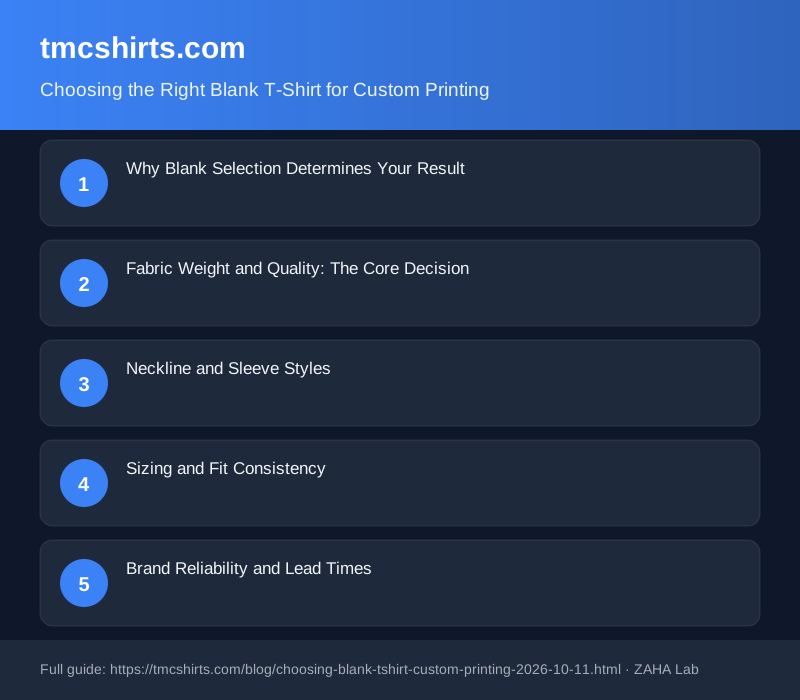
Why Blank Selection Determines Your Result
A beautiful design printed on flimsy fabric becomes painful: colours fade after three washes, seams pucker, and the shirt shrinks unpredictably. Teams and event organisers spend weeks perfecting artwork, then undercut themselves with a blank that costs £2.50 but looks cheap after one event.
The right blank makes your design sing. It survives washing, holds colour depth, and feels professional in hand. For corporate teams, this builds brand credibility. For charity events, it justifies the cost and encourages people to actually wear the shirt.
Fabric Weight and Quality: The Core Decision
Fabric weight is measured in grams per square metre (GSM). This single number predicts durability, feel, and lifespan more reliably than any marketing claim.
- 150-170 GSM: Budget retail basics. Thin, prone to shrinking, colours fade fast. Use only for throwaway event giveaways where appearance on the day matters more than longevity.
- 180-200 GSM: Sweet spot for most custom printing. Substantial enough to feel professional, affordable enough for bulk orders. Standard for team uniforms and event shirts. Holds detail well in screen printing and DTG.
- 220+ GSM: Premium weight. Heavy, durable, withstands repeated washing. Ideal for branded merchandise, employee uniforms, and any shirt you want worn for years. Print quality is exceptional, but per-unit cost climbs 30-50%.
Most UK suppliers list GSM in product specs. If they don't, ask. A shirt that feels substantial in your hand is almost certainly 200+GSM. If it feels papery, it's under 170.
Neckline and Sleeve Styles
Crew neck works for everything: corporate events, sports teams, charity fundraisers, and everyday wear. It's the default for a reason.
V-necks suit casual brand merchandise, creative industries, and younger demographics. They're also slightly cheaper to produce. Avoid for formal corporate events or conservative industries.
Henley and polo collars add £1-2 per shirt and create a dressier impression, useful for hospitality teams or upmarket events. They require different printing techniques for graphic-heavy designs.
Sleeve choice matters less than weight and fit, but consider your audience. Standard crew with short sleeves works for 95% of projects. Long sleeves add cost and limit printing window space.
Sizing and Fit Consistency
Different manufacturers size differently. A Gildan Medium from one supplier isn't identical to a Fruit of the Loom Medium. For team orders, this creates visible inconsistency and frustration.
Order samples in your target sizes before committing to 50+ shirts. Check arm hole depth, torso length, and shoulder width. People notice when their shirt fits poorly, especially in team photos. A cheap design on a well-fitting blank beats an expensive design on a shirt that bunches at the shoulders.
Size ranges vary by supplier. Smaller brands offer XS-3XL; larger manufacturers push up to 5XL or 6XL. If your group spans a wide size range, confirm availability before ordering. Running out of size L at the last minute is a visible failure.
Brand Reliability and Lead Times
Gildan, Fruit of the Loom, Bella+Canvas, and Anvil are the industry standards. They're widely stocked by UK print suppliers, guarantee consistent quality, and rarely disappoint. Premium brands like Uniqlo and John Lewis house brands offer excellent value if you're bulk-ordering blanks yourself.
Smaller or trend-focused brands (Awdis, Supreme, Heather Grey) sometimes have texture or fit advantages but inconsistent stock. For corporate contracts requiring 200+ shirts, stick to brands with proven supply chains.
Lead times matter. Standard blanks ship within 5 days; custom dye lots or vintage colours can take 2-3 weeks. Event dates sneak up. Order samples at least 6 weeks before your printing deadline.
Colour Selection and Printing Compatibility
White, black, navy, and grey blanks work with any printing method. Pastels, heathered fabrics, and neons limit your options: bright inks on pale blanks appear washed out; dark graphics on heathered grey require careful pre-treatment.
If you're using screen printing, ask your printer which colours they recommend. DTG (direct-to-garment) printing handles heathered fabrics beautifully but shows slightly different colour depth on blacks compared to whites. Heat transfer works on most fabrics but leaves a visible film on cheap, stretchy blanks.
Dyed-to-match blanks (custom colour runs) are expensive and require minimum orders of 500-1000 shirts. For most teams and events, standard stock colours are sufficient.
Budget Without Compromising Quality
Bulk discounts apply once you hit 50+ shirts per colour. A 180-200 GSM crew-neck from a major brand costs £3-5 per blank at volume. Adding design printing brings total per-shirt cost to £8-15, depending on print method and artwork complexity.
The false economy: buying 50 cheap 160 GSM blanks for £1.50 each, then printing a £6 design on them. After one wash, colour dulls and people resent wearing them. True cost per wearable shirt jumps to £10+.
Negotiate with suppliers. Loyalty discounts, colour consolidation, and off-season orders often yield 10-20% savings. Buying blanks wholesale from Amazon UK works for smaller teams without a print account.
Environmental and Ethical Considerations
Organic cotton blanks cost 20-30% more but appeal to environmentally-conscious brands. Ring-spun cotton feels softer and lasts longer. If sustainability is part of your brand story, mention it. People pay premium prices for shirts aligned with their values.
Check supplier certifications: OEKO-TEX (safe dyes), GOTS (organic farming), and B Corp status matter to corporate clients and mission-driven teams.
FAQ
What GSM should I choose for a one-off event?
180-200 GSM is standard and cost-effective. If the shirt will be worn once then stored, 170 GSM saves money. If attendees will wear it regularly, go 220+ GSM to avoid colour fading and shrinkage complaints.
Can I order blanks myself and send them to a printer?
Yes, but confirm first. Most printers accept customer-supplied blanks but charge a handling fee (typically £0.30-0.50 per shirt). Wholesale blanks from Amazon UK bulk suppliers work, but return policies are strict. Order sample quantities to test fit and quality before committing 500 units.
How do I avoid visible shrinkage after washing?
Pre-shrunk blanks are standard from major brands. Wash in cold water and air dry. 100% cotton shrinks 3-5% in hot water. If precise fit is critical, order a size larger or specify preshrunk certification on your order.
What's the difference between a "heavy" and "premium" blank?
Heavy refers to GSM (weight). Premium describes overall quality: construction, yarn fineness, and dye consistency. A 220 GSM shirt from Gildan is heavy; a 180 GSM Bella+Canvas is premium. Weight and quality aren't perfectly linked, but brands known for premium quality rarely drop below 180 GSM.
How far in advance should I order blanks?
Standard colours (black, white, navy) ship within 5 business days. Custom dye lots or trend shades take 2-3 weeks. For large orders (500+ units), book 8-12 weeks out. Test samples 10-12 weeks before your event to confirm fit and printing compatibility.
Related Products
This article contains affiliate links. We earn a small commission if you purchase through these links, at no extra cost to you. We only recommend products we genuinely believe suit custom printing projects.